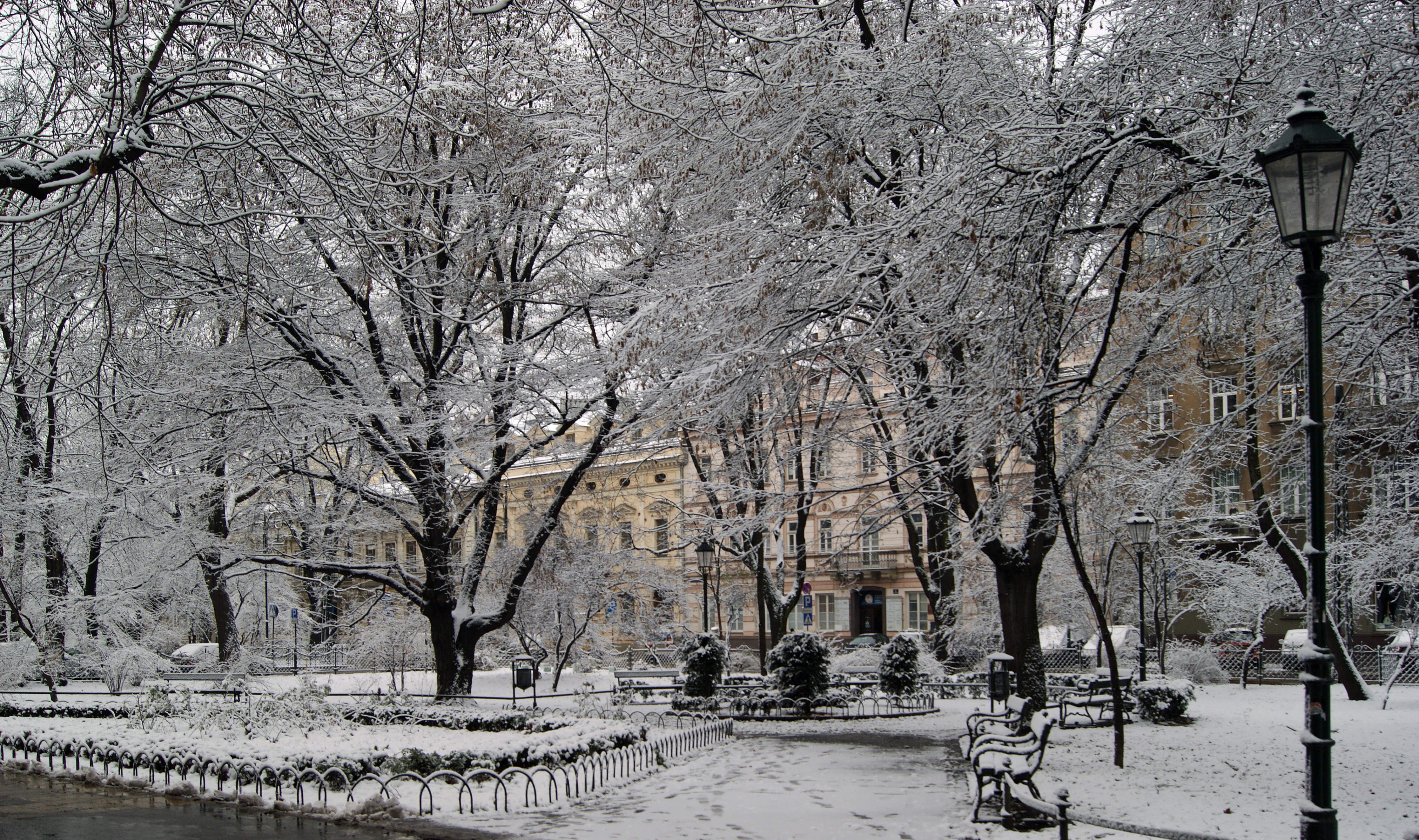
One of the most valuable functions a neighbourhood grove steward performs is systematic reporting of observed problems to the municipality. The greenery department manages hundreds or thousands of trees across a city and relies substantially on field observations from residents and stewards to identify issues that require professional attention. Understanding how to report effectively — what to include, which channel to use, and what constitutes an immediate safety concern — determines how quickly the municipality can act on a report.
What should be reported
Neighbourhood stewards should report observations that fall outside routine care tasks or that indicate a need for professional assessment:
Structural safety concerns
Dead, cracked, or partially detached branches over walkways, roads, or play areas. Significant leaning of the main trunk, especially if the lean appears to have increased compared to previous inspections. Uprooting or soil heaving around the base. Any situation where a branch or tree appears likely to fall and cause injury should be treated as an emergency and reported via the emergency line rather than a standard reporting channel.
Disease and pest symptoms
Fungal fruiting bodies on the trunk or roots (bracket fungi visible to the naked eye). Extensive canopy dieback affecting more than a quarter of the crown. Bark discolouration, excessive resin flow, or sudden wilting of a significant portion of the canopy. Visible boring insect damage (small round exit holes in bark, frass). Leaf anomalies affecting most of a tree's canopy — leaf spots, premature defoliation, severe chlorosis.
Physical damage and vandalism
Vehicle impact damage to the trunk or major roots. Deliberate ring-barking, significant bark wounds, or attached fixtures (cables, wires, posters using staples or nails) penetrating bark. Dumping of building materials, soil, or waste in the root zone.
Infrastructure conflicts
Pavement heaving caused by root growth that creates a trip hazard. Roots growing into drainage infrastructure. Overhead branch growth approaching cables or lighting.
Reporting channels in major Polish cities
| City | Primary channel | Emergency contact |
|---|---|---|
| Warszawa | 19115 application (Warsaw City Helpline); ZZW contact form at zzw.waw.pl | Straż Miejska: 986; Emergency: 112 |
| Kraków | Obywatelski Kraków app; ZZM email/phone | Straż Miejska: 986; Emergency: 112 |
| Wrocław | Rozmawiam z Wrocławiem portal (rozmawiamzwroclawiem.pl) | Straż Miejska: 986; Emergency: 112 |
| Poznań | Poznań-specific citizen reporting portal | Straż Miejska: 986; Emergency: 112 |
| Other cities | BIP page of the local zarząd zieleni or gmina environment department; or email the department directly | Straż Miejska: 986; Emergency: 112 |
For situations posing immediate risk to public safety — a branch that has partially fallen over a walkway, a tree that has collapsed — contact Straż Miejska (986) or emergency services (112) in addition to any greenery department reporting channel. Municipal greenery departments do not operate 24-hour emergency lines; Straż Miejska coordinates initial response for dangerous situations outside office hours.
How to document the problem before reporting
A useful report to a greenery department includes the following information:
- Location: Street address or precise geolocation. For groves without a specific address, use coordinates from a phone maps application or describe the location by reference to a nearby landmark (e.g., "the group of three linden trees approximately 30 metres east of the entrance to Park X").
- Description of the tree: Species if known, approximate trunk diameter, estimated height, and position within the grove.
- Observation: What was observed, when it was first noticed, and how it has changed if applicable.
- Photographs: Clear photos of the problem, ideally showing context (surroundings) and a close-up of the specific issue. For disease, photograph both the affected part and the bark at the base. For structural damage, photograph from multiple angles to convey the extent.
- Contact details: Name and phone or email for follow-up. Registered stewards may reference their stewardship agreement number.
What to expect after submitting a report
Standard non-emergency reports to municipal greenery departments in larger Polish cities typically receive an acknowledgement within 3–10 business days. Inspection by a municipal arborist may take 2–6 weeks depending on the department's workload and the nature of the report. Structural safety concerns are generally prioritised. Reports submitted through an integrated citizen app (like Obywatelski Kraków or the Warsaw 19115 app) may include a status tracking feature allowing the steward to follow the response.
Professional intervention (pruning, emergency removal, soil treatment) is carried out by the municipality's contracted arboricultural services — not by the steward. Once a report is acknowledged, the steward's role is to update the department if the condition significantly worsens before the scheduled inspection.
Keeping a stewardship log
Maintaining a simple log of inspection dates, observed conditions, and reports submitted creates a documented history that is useful when a condition progresses over time or when repeating a report that did not result in action. A spreadsheet or simple notebook works. Key fields: date, tree or location identifier, observation, action taken (no action needed / reported to department), department acknowledgement received, municipal response outcome.