Urban Grove Stewardship Reference
Neighbourhood Tree Grove Adoption in Poland
A practical reference covering care routines, watering schedules, damage reporting, and coordination procedures for adopted urban groves in Polish municipalities.

Urban Grove Stewardship Reference
A practical reference covering care routines, watering schedules, damage reporting, and coordination procedures for adopted urban groves in Polish municipalities.
Core Stewardship Areas
Adopted urban groves in Poland fall under shared responsibility arrangements between resident groups and municipal greenery departments. Six main areas define the practical scope of stewardship.
Formal arrangement with the local gmina's zarząd zieleni miejskiej (urban greenery department). Defines the area scope, stewardship obligations, and municipality's continuing responsibilities.
Supplementary watering during drought periods, particularly for trees under 5 years old that lack established root systems. Protocols differ between summer and transition seasons.
Removal of non-organic waste from around tree bases and within the grove area. Leaf management — raking or leaving in place — depends on grove type and municipal guidance.
Periodic visual checks for damage, disease symptoms, vandalism, or infrastructure conflict (root-paving interaction, overhanging branches). Documented observations submitted to the greenery department.
Damage, disease, or safety concerns are reported to the municipality via designated channels — typically the place-based urban services app (e.g. Warszawa 19115, Kraków Obywatelski) or direct contact with the zarząd zieleni.
Basic understanding of the species present in the adopted grove — growth habit, leaf type, typical size — assists in identifying abnormal conditions and in communicating observations accurately to professionals.
Starting Out
The process varies between Polish cities but follows a recognisable pattern in most municipalities that offer structured adoption arrangements.
Determine whether the trees are on land managed by the gmina (most city parks and street trees), Lasy Państwowe (State Forests, for urban forest edges), or a housing estate manager (spółdzielnia mieszkaniowa). The stewardship arrangement and contact point differs by landowner.
In larger Polish cities, the relevant contact is the zarząd zieleni miejskiej or its equivalent. In Warsaw, this is Zarząd Zieleni m.st. Warszawy; in Krakow, Zarząd Zieleni Miejskiej; in Wrocław, Zarząd Zieleni Miejskiej Wrocławia. Some municipalities have online adoption request forms on their BIP (Biuletyn Informacji Publicznej) pages.
The adoption agreement typically specifies: geographic boundary of the adopted area, list of permitted activities (watering, litter removal, minor planting of approved species), prohibited activities (pruning, use of fertilisers without approval), and reporting frequency. Professional arboricultural work remains the municipality's responsibility.
Document the current state of the grove — number of trees, approximate species, obvious damage or disease — and set a regular inspection schedule. For groves with young trees, summer watering may require weekly visits during drought periods.
Most municipal agreements require periodic condition reports — quarterly or annually depending on the city. These are submitted to the greenery department and form the basis for any professional intervention (pruning, soil improvement, disease treatment) that the municipality carries out.
Reference Articles
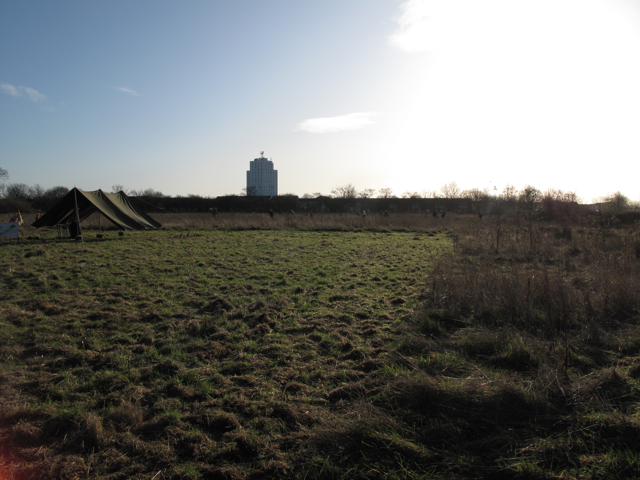
Process
How neighbourhood groups and individuals can formally adopt an urban grove in Poland — legal framework, contacts, and what the adoption agreement covers.

Care Guide
Practical care tasks within the scope of a neighbourhood steward — watering, monitoring, and basic litter management — with seasonal notes for Polish climate conditions.
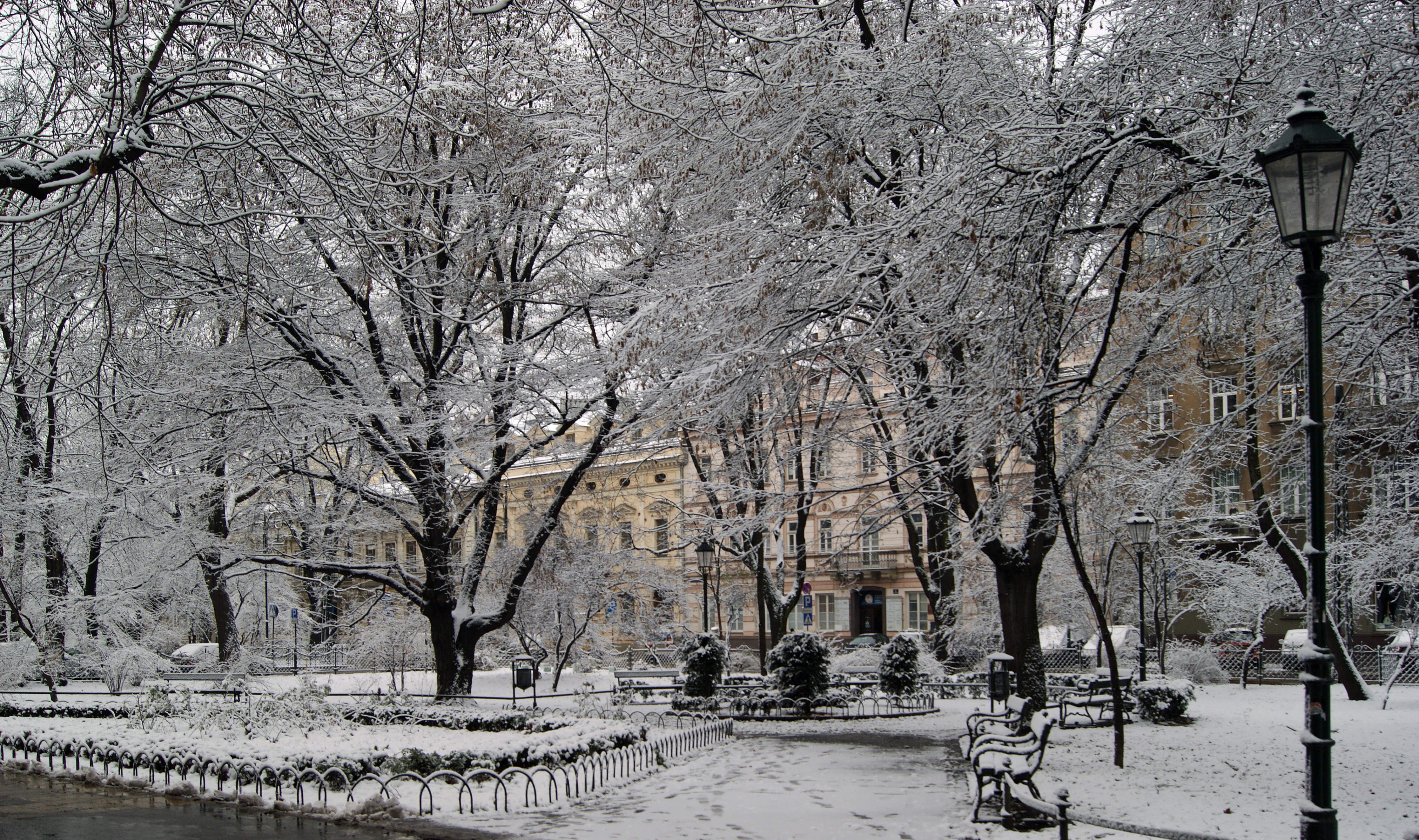
Reporting
How to document and report tree damage, disease, or infrastructure conflicts to Polish municipal greenery departments — channels, formats, and escalation paths.
Use the contact form on the About page. This reference covers general procedures based on publicly available municipal information — specific queries should be directed to your local zarząd zieleni.
Contact